
Car Inspection
What Fails a Vehicle Safety Inspection? Must-Know Tips Inside

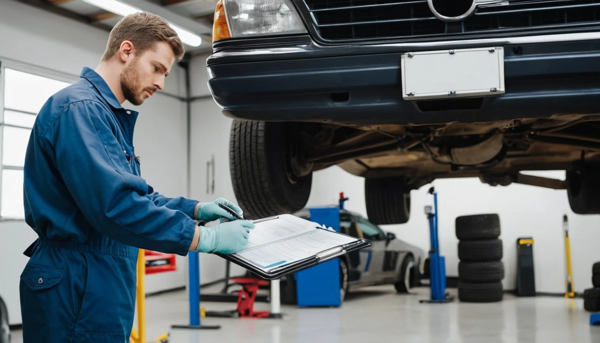
What fails a vehicle safety inspection? Learn the most common reasons and how to pass with confidence.
What Fails a Vehicle Safety Inspection? 🚨 Don’t Let These Mistakes Cost You!
Ever left the inspection center thinking, “How did my car fail that?” 😬
You’re not alone.
Vehicle safety inspections catch things we often overlook. What seems minor—like a dim bulb or squeaky brake—can cause a big failure. If you’re preparing for an inspection, this guide will save you headaches (and money).
So, what fails a vehicle safety inspection?
Let’s break it down in simple terms: safety is the star. If anything on your vehicle could put you, your passengers, or others at risk, it’s a problem.
Here’s exactly what you need to check (and fix) to pass with flying colors 🚦
🚘 Brakes in Bad Shape
Your brakes are non-negotiable. They must stop the car quickly and evenly.
Failing signs include:
- Grinding noises 🛑
- Vibrations when stopping
- Brake pedal feels soft or spongy
- Visible wear on pads or rotors
Quick Fix: Have your mechanic inspect and replace worn pads or rotors. Leaking brake fluid? That’s an instant fail.
💡 Broken or Dim Lights
Lights are a safety essential. If any required light is missing, cracked, dim, or out, you’re likely to fail.
Here’s what they check:
- Headlights (high and low beam)
- Turn signals
- Brake lights
- Reverse lights
- License plate lights
- Hazard flashers
💡Pro Tip: Test all lights before the inspection using your car’s reflection in a window or ask a friend.
📊 Common Lighting Failures
| Light Type | Reason for Failure | Quick Solution |
|---|---|---|
| Headlights | Burnt-out or dim | Replace bulbs, check fuse |
| Brake lights | One side not working | Check wiring or sockets |
| Turn signals | Blinking too fast/slow | Faulty flasher relay or bulb |
| Reverse lights | Not activating | Transmission switch issue |
🪫 Battery and Electrical Issues
An inspection checks for reliable starting and safe wiring. Corroded battery terminals or exposed wires? 🚫 Not good.
Watch for these red flags:
- Slow engine crank
- Dashboard flickering
- Exposed or melted wires
- Unsecured battery
Keep those terminals clean and tight. A loose battery = safety hazard.
🔍 Worn Tires and Poor Tread
Tires are very important in an inspection.
They check:
- Tread depth (at least 2/32″ in most states)
- Tire pressure
- Visible damage (bulges, dry rot)
- Uneven wear (could signal alignment or suspension issues)
🔧 Don’t forget the spare tire! If it’s required and unusable, that’s a fail too.
🛞 Tire Wear Trouble Signs
| Problem | What It Means | Risk Factor |
|---|---|---|
| Inner/outer wear | Misalignment | Poor steering |
| Center wear | Over-inflation | Blowout risk |
| Cupping or scalloping | Worn shocks/suspension | Bumpy ride |
🪟 Windshield & Wipers Woes
A cracked windshield or faulty wipers = no visibility, which equals no pass.
They’ll inspect for:
- Cracks larger than a dollar bill
- Chips in the driver’s line of sight
- Wipers that don’t clear rain effectively
- Low or no washer fluid
🧽 A $5 bottle of washer fluid could save your whole test.
🔊 Faulty Horn Function
No one thinks about the horn—until the inspector presses it. If it doesn’t work, you fail.
Check:
- If it sounds off or weak
- If the horn button sticks
- Electrical connections
It’s a simple fix but easy to forget.
🌫️ Exhaust and Emissions Issues
This is one of the top reasons vehicles fail.
Your exhaust system must be:
- Free of leaks
- Securely mounted
- Emissions within legal limits
If your check engine light is on 🔧, they’ll likely plug in an OBD scanner. Any emissions code = instant fail.
📋 Typical Emission-Related Problems
| Issue | Common Cause | Fix |
|---|---|---|
| Check engine light | Faulty sensor or leak | Diagnostic scan |
| Loud exhaust noise | Hole or crack in pipe | Welding or replace |
| Smell of fuel | Leak in fuel system | Replace parts, seal |
🚪 Doors, Latches & Locks
Yes, they check these too! Your doors should open and latch properly from inside and out.
Other checks:
- Power locks work (if equipped)
- Tailgate opens (trucks/SUVs)
- Hood and trunk release work
Anything that compromises emergency exit is a red flag.
🔧 Suspension and Steering Issues
If your car shakes, wobbles, or pulls to one side, you could fail the test.
- Loose ball joints
- Worn tie rods
- Leaking shocks or struts
You might hear clunks or feel sways while driving. The inspector will bounce-test your car to check if it’s stable.
🔥 Dashboard Warning Lights
Some warning lights are okay. Others? Immediate fail.
Fail lights include:
- Check engine light
- ABS (anti-lock brake system)
- Airbag light
- TPMS (in some states)
💬 If it’s on, fix it before you go in. Resetting without repairing might get flagged by their system.
🚨 Airbags and Safety Restraints
Missing or non-functional airbags = automatic fail.
Inspectors check:
- Airbag light isn’t on
- Seat belts latch properly
- No frayed belts
- Belts retract fully
🔐 A missing headrest may also get you dinged.
🌡️ Leaks and Fluids
They’ll peek under the car to spot:
- Oil leaks
- Transmission fluid
- Coolant
- Power steering
- Brake fluid
Any fresh wetness? 🚫 They’ll assume an active leak.
Fixing these early prevents bigger (and costlier) problems later.
📦 Missing or Damaged Components
Even if your car runs fine, it might fail if something’s missing or visibly damaged.
This includes:
- Side mirrors
- Bumpers
- Fenders
- License plate mounts
- Exhaust heat shields
🔍 Inspect your exterior and undercarriage before the test.
🧰 How to Prep Before the Inspection
Here’s your go-to checklist:
- Walk around your vehicle—lights, tires, mirrors.
- Top off fluids—washer, brake, oil, coolant.
- Scan your dash—any warning lights?
- Listen while driving—noises = red flags.
- Test everything—horn, wipers, locks, brakes.
🛠️ Spending 30 minutes on prep could save you days of retesting stress.
✅ Final Thoughts: What Fails a Vehicle Safety Inspection?
It’s not about being perfect. It’s about being safety. Your car must be roadworthy, visible, and responsive. If it’s not, it won’t pass.
Many fails can be stopped with regular checks and care.
So, when someone asks, “What fails a vehicle safety inspection?”
You can say, “Mostly things we ignore until it’s too late.” 😉
Take good care of your car, and it will take care of you. 🚗💨
FAQs
How do I know if my tires will pass inspection?
Look for tread depth of at least 2/32 inch. Check for bulges or exposed wires. Make sure wear is even.
Can a cracked windshield cause a failed inspection?
Yes, if it blocks your view or is over a dollar bill long.
Will a check engine light fail my inspection?
Absolutely. Any car with the check engine light on will fail.
Is a broken horn a reason to fail a car inspection?
Yes. If your horn doesn’t work or is too quiet, you won’t pass.
Can you pass inspection with a small oil leak?
Usually not. Even a small oil leak can fail your inspection.
References
https://www.nhtsa.gov/equipment
https://www.consumerreports.org/cars/car-repair-maintenance/
https://driving-tests.org/beginner-drivers/vehicle-inspection-checklist/


Automotive Locksmith In Los Angeles: Trusted Car Key Help

How McLaren Lease Specials Make Supercars More Affordable

Independent Auto Insurance Agent Miami: Smart Coverage Guide

Best Off-Road Tires For Trucks: Ultimate Reliable Guide

How To Properly Merge Onto A Highway – Smart And Confident Driving
Best Off-Road Tires For Trucks: Ultimate Reliable Guide
How McLaren Lease Specials Make Supercars More Affordable
Independent Auto Insurance Agent Miami: Smart Coverage Guide
Automotive Locksmith In Los Angeles: Trusted Car Key Help
-
 Trucks3 weeks ago
Best Off-Road Tires For Trucks: Ultimate Reliable Guide
-
 Auto Lease Rentals1 week ago
How McLaren Lease Specials Make Supercars More Affordable
-
 Auto Insurance2 weeks ago
Independent Auto Insurance Agent Miami: Smart Coverage Guide
-
 Automotive8 hours ago
Automotive Locksmith In Los Angeles: Trusted Car Key Help