
Car Buying Tips
Car Buying Tips for First Time Buyers – Smart Steps for a Smooth Ride

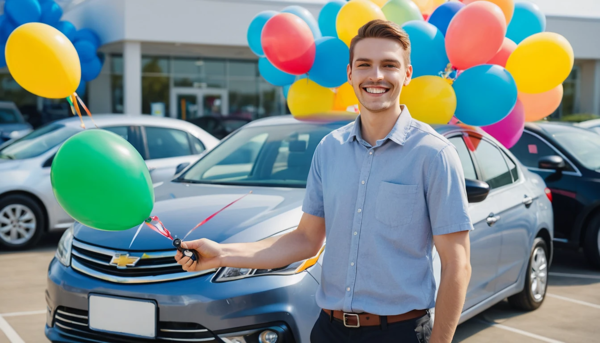
Car Buying Tips for First Time Buyers made simple! Discover expert advice to make your first car purchase stress-free and budget-friendly.
Car Buying Tips for First Time Buyers – Smart Steps for a Smooth Ride 🚗
Ever felt totally lost when thinking about buying your first car?
You’re not alone—and you’re in the right place.
Buying your first car is a big deal. It’s exciting, a bit scary, and full of worries. But don’t worry, this guide will help you make a smart choice.
We’ll talk about budgeting, research, test drives, financing, and finding a good deal. Let’s start your car-buying journey like a pro! 🛣️
Define Your Needs First 📝
Before you go to the dealership, ask yourself: What do I really need in a car?
- Do you need it for daily commutes or weekend getaways?
- Will you be driving alone or with family?
- Are gas mileage and insurance cost a top priority?
- Do you live in a city or a rural area?
Start with your lifestyle—your car should fit you, not the other way around. First-time buyers often fall for flashy models that don’t suit their needs. Avoid that trap.
Set a Realistic Budget 💰
Let’s talk money—because this is where many first-time buyers stumble.
Don’t just consider the car’s price tag. Think of:
- Monthly payments
- Insurance
- Fuel
- Maintenance
- Registration and taxes
👉 Aim to keep your car expenses under 15% of your monthly income.
Here’s a quick breakdown:
| Expense Type | Average Monthly Cost | Tips to Save |
|---|---|---|
| Loan Payment | $300 – $500 | Choose used or low-interest options |
| Insurance | $100 – $200 | Shop around for quotes |
| Fuel | $150 – $250 | Opt for fuel-efficient models |
| Maintenance | $50 – $100 | Schedule regular upkeep |
| Registration/Taxes | Varies by state | Research state-specific costs |
Having a budget keeps you grounded when you’re face-to-face with a smooth-talking salesperson. 😅
Decide Between New vs. Used 🚘
Here’s a shocker—a brand-new car loses about 20% of its value the moment you drive it off the lot.
So, is new always better? Not really.
Used cars can offer:
- Lower upfront costs
- Less depreciation
- Lower insurance rates
But new cars give you:
- Full warranty
- Latest tech and safety features
- Zero previous wear-and-tear
What’s right for you depends on your priorities. If you’re on a tighter budget, a certified pre-owned car might be your sweet spot.
Research Is Everything 🔍
The internet is your best friend when it comes to car shopping.
Before you even walk into a dealership, dig deep into:
- Safety ratings
- Fuel efficiency
- Owner reviews
- Reliability reports
- Resale value
Check out sites like:
- Edmunds
- Kelley Blue Book
- Carfax
Create a shortlist of 3–5 cars that match your budget and needs. Knowledge gives you power at the negotiation table.
Check Insurance Costs Before Buying 🛡️
Here’s a sneaky surprise: Insurance premiums vary wildly between cars.
Don’t assume all cars cost the same to insure. A flashy sports car will be way more expensive than a compact sedan—even if their prices are close.
Contact your insurance provider and ask for quotes on each car you’re considering. It’s an easy way to avoid budget-busting surprises.
Understand Financing Options 💳
Unless you’re paying in full (lucky you!), you’ll likely need a car loan.
Know the difference between:
- Dealership financing – fast but may have higher interest
- Bank/credit union loans – may offer better rates
- Pre-approval – gives you more control and leverage
Tip: Always check your credit score first. The higher your score, the lower your interest rate. 🏦
Here’s a sample comparison:
| Loan Type | Interest Rate Range | Pros | Cons |
|---|---|---|---|
| Dealership Loan | 6% – 12% | Convenient, quick | Can be higher rates |
| Bank Loan | 4% – 8% | Lower rates possible | More paperwork |
| Credit Union Loan | 3% – 7% | Friendly terms | May require membership |
Consider Leasing (But Read the Fine Print) 🧐
Leasing might sound attractive—lower monthly payments, newer cars, fewer maintenance issues.
But here’s the catch:
- Mileage limits
- Strict wear-and-tear rules
- No ownership at the end
It’s great if you like switching cars every few years, but not ideal if you plan to keep it long-term.
Get Pre-Approved for a Loan 💼
Walking into a dealership with pre-approved financing is like walking in with a shield. 🛡️
It tells the dealer:
- You’re serious
- You’ve done your homework
- You won’t be easy to upsell
Pre-approval also gives you a clear budget ceiling, so you don’t fall in love with a car you can’t afford.
Schedule a Test Drive 🚦
Never buy a car without driving it first. Test drives help you check:
- Comfort and visibility
- Acceleration and brakes
- Cabin noise
- Tech usability
Bring a checklist and don’t rush it. Take your time and imagine driving that car every day.
Here’s a simple checklist:
| Test Drive Element | What to Look For |
|---|---|
| Ride Comfort | Smooth? Too bumpy? |
| Blind Spots | Can you see all angles? |
| Tech Setup | Easy to use? Responsive? |
| Handling | Stable on turns? Braking OK? |
Ask for the Vehicle History Report 📋
For used cars, a history report is non-negotiable.
Use services like Carfax or AutoCheck to find out:
- Accident history
- Title issues
- Previous ownership
- Service records
If the seller refuses to provide one, walk away. 🚶
Don’t Skip the Mechanic Inspection 🔧
Even if the car looks perfect, always get a pre-purchase inspection done by a trusted mechanic.
It’ll cost about $100–$150, but could save you thousands.
Your mechanic will check for:
- Hidden damage
- Engine issues
- Brake and tire wear
- Fluid leaks
Peace of mind is worth the price.
Negotiate Like a Pro 🗣️
Here’s where you don’t want to wing it.
Negotiation tips for first-timers:
- Never show too much excitement 😅
- Start lower than your actual budget
- Be prepared to walk away
- Use your research as leverage
- Ask for extras: free oil changes, better warranty, etc.
Remember—everything is negotiable.
Review the Contract Carefully 📑
Take your time here. No rushing.
Look for:
- Extra fees
- Add-ons you didn’t ask for
- Loan interest rate and total cost
- Warranty coverage
If anything’s unclear, ask! Don’t sign until you understand every detail.
Get the Right Documents Ready 🧾
What you’ll usually need:
- Driver’s license
- Proof of income
- Proof of insurance
- Trade-in title (if any)
- Down payment (check or debit card)
Having these ready smooths the process. No one likes last-minute paperwork surprises.
Plan for Future Costs 🛠️
The car may be bought—but ownership has just begun!
Plan for:
- Routine maintenance (oil changes, filters, tire rotation)
- Repairs (brake pads, battery, etc.)
- Unexpected expenses (windshield, accidents)
Create a car fund—set aside $30–$50 a month for future needs. That tiny habit could save you major stress.
Final Thoughts: Confidence Is Key ✅
Buying your first car is a major milestone—but it doesn’t have to be overwhelming. Now you know how to:
- Define your needs
- Set a budget
- Research like a champ
- Test, inspect, and negotiate smartly
Most of all, trust your gut. If something feels off, it probably is.
You got this. 🚗💨
FAQs
What should first time buyers know before buying a car?
Know your needs, budget wisely, and do your research. Don’t rush the process.
How can I avoid getting ripped off at a car dealership?
Get pre-approved, know your numbers, and negotiate with confidence.
Is it better to buy or lease your first car?
Buying is better if you plan to keep the car long-term. Leasing works for short-term use.
What is the best car loan option for a first-time buyer?
A credit union or bank often offers better rates than dealer financing.
What documents do I need to buy a car for the first time?
You’ll need a license, insurance, income proof, and possibly a down payment.
References
https://www.kbb.com
https://www.edmunds.com
https://www.autotrader.com


How To Detail A Car Interior Like A Pro – Powerful and Spotless

Best Consumer Grade Ceramic Coating – Long-Lasting Shine & Protection

How to Detail a Car Interior Properly – Expert Secrets That Shine

How To Pass Your Emissions Test – Proven Tips That Work Fast

What Does a Car’s Black Box Record? Discover Powerful Hidden Insights

Find a Car Inspection Station Near Me – Fast & Reliable Experts
What Does a Car’s Black Box Record? Discover Powerful Hidden Insights
How To Pass Your Emissions Test – Proven Tips That Work Fast
How to Detail a Car Interior Properly – Expert Secrets That Shine
Best Consumer Grade Ceramic Coating – Long-Lasting Shine & Protection
-
 Car Inspection3 weeks ago
Find a Car Inspection Station Near Me – Fast & Reliable Experts
-
 Tech3 weeks ago
What Does a Car’s Black Box Record? Discover Powerful Hidden Insights
-
 Car Inspection2 weeks ago
How To Pass Your Emissions Test – Proven Tips That Work Fast
-
 Car Detailing1 week ago
How to Detail a Car Interior Properly – Expert Secrets That Shine