
Care & Repairs
Simple Car Maintenance For Beginners That Saves Money Easily

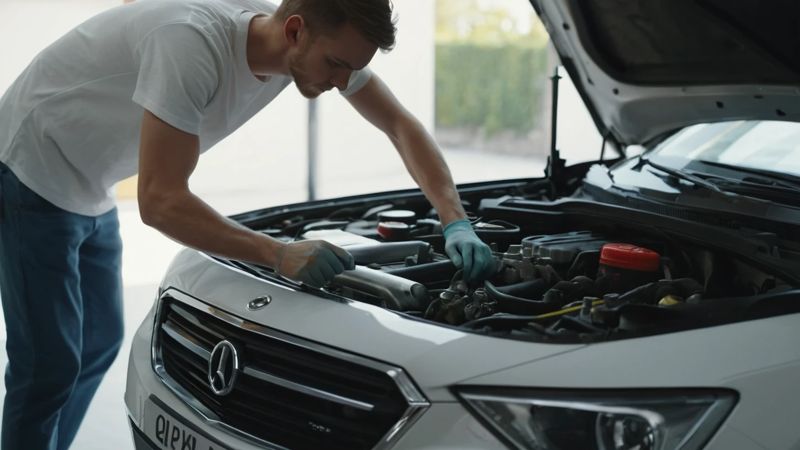
Simple car maintenance for beginners made easy. Learn quick tips to keep your car safe, clean, and running smoothly every day.
Simple car maintenance for beginners means doing basic tasks like checking oil, tire pressure, and fluids regularly to keep your car running safely. These small habits prevent costly repairs, improve fuel efficiency, and extend your car’s life without needing expert skills.
Simple Car Maintenance For Beginners 🚗
Ever wondered why some cars last for years while others break down quickly—even with the same usage?
The answer is simple: regular maintenance. You don’t need to be a mechanic. With a few easy habits, you can keep your car in great shape and avoid expensive repairs.
Why Simple Car Maintenance Matters 🛠️
Taking care of your car is not just about saving money. It is about safety, performance, and peace of mind. A well-maintained car runs smoother and uses less fuel. It also reduces the risk of sudden breakdowns.
Many beginners think car care is complicated. But that is not true. Most tasks are simple and take only a few minutes. These small steps can prevent big problems later.
Think of it like brushing your teeth. Skip it for days, and problems start. The same happens with your car. Regular care keeps everything working properly.
Essential Tools Every Beginner Needs 🔧
You do not need a full garage setup. Just a few basic tools can help you handle most simple tasks. These tools are affordable and easy to use.
Here are some must-have items:
- Tire pressure gauge
- Car jack and wrench
- Engine oil
- Microfiber cloth
- Flashlight
- Screwdriver set
Having these tools ready saves time and effort. You won’t need to rush to a mechanic for small fixes.
| Tool | Purpose | Why It Matters |
| Tire Gauge | Check pressure | Prevents tire wear |
| Engine Oil | Lubrication | Keeps engine smooth |
| Microfiber Cloth | Cleaning | Protects paint |
| Flashlight | Inspection | Helps in low light |
How Often Should You Maintain Your Car? ⏱️
One common mistake beginners make is ignoring schedules. Car maintenance is all about timing. Doing things at the right time keeps your vehicle healthy.
Some tasks should be done weekly. Others can wait for months. Knowing the difference is key. This helps you avoid both neglect and over-maintenance.
A simple rule is to follow your car manual. But if you don’t have it, stick to general timelines. Consistency matters more than perfection.
Checking Engine Oil The Right Way 🛢️
Engine oil is like the blood of your car. It keeps all moving parts smooth and prevents overheating. Without it, your engine can fail.
To check oil, park on a flat surface. Pull out the dipstick and wipe it clean. Insert it again and check the level. It should be between the marks.
If the oil looks dark or low, replace it. Fresh oil improves performance and extends engine life. It is one of the easiest tasks you can do.
Keeping Tire Pressure Perfect 🚙
Tires affect safety, fuel efficiency, and comfort. Low pressure makes driving risky and increases fuel usage. High pressure can cause uneven wear.
Use a tire gauge to check pressure weekly. Compare it with the recommended level. This information is usually on the car door or manual.
Proper tire pressure gives you better control. It also makes your tires last longer. A simple check can prevent accidents.
Understanding Car Fluids Basics 💧
Your car runs on different fluids. Each has a specific role. Ignoring them can lead to serious issues.
Important fluids include:
- Engine oil
- Coolant
- Brake fluid
- Transmission fluid
- Windshield washer fluid
Check these regularly. Low levels can cause damage or reduce performance. Always top them up when needed.
| Fluid | Function | Check Frequency |
| Coolant | Prevent overheating | Monthly |
| Brake Fluid | Safe braking | Every 2 months |
| Washer Fluid | Clear visibility | Weekly |
| Transmission Fluid | Smooth gear shift | Every 3 months |
Battery Care Made Simple 🔋
A dead battery is one of the most common problems. It often happens without warning. But with simple checks, you can avoid it.
Look for corrosion on battery terminals. Clean it with a dry cloth. Make sure connections are tight. Loose wires can stop your car from starting.
If your car struggles to start, check the battery. Replacing it on time prevents sudden failures. Most batteries last 3–5 years.
How To Inspect Your Brakes Safely 🛑
Brakes are critical for safety. Any issue with them should never be ignored. Even small signs can indicate bigger problems.
Listen for unusual sounds. If you hear squeaking or grinding, get them checked. Also, notice if the car takes longer to stop.
Regular brake checks keep you safe. They also prevent costly repairs later. Never delay brake maintenance.
Keeping Your Car Clean Inside And Out 🧼
A clean car is not just about looks. Dirt can damage paint and reduce resale value. Interior dust can affect comfort.
Wash your car every two weeks. Use a soft cloth to avoid scratches. Clean the interior regularly to remove dirt and odors.
A clean car feels better to drive. It also shows you care about your vehicle. Small cleaning habits make a big difference.
Replacing Air Filters Easily 🌬️
Air filters keep dust out of your engine. A dirty filter reduces efficiency and power. It can also increase fuel consumption.
Check the filter every few months. If it looks dirty, replace it. The process is quick and does not need tools.
A clean air filter improves performance. It also helps your engine breathe better. This is a simple but powerful maintenance step.
Lights And Indicators Check 💡
Lights are essential for visibility and communication. Broken lights can lead to accidents or fines.
Check headlights, brake lights, and indicators regularly. Replace any faulty bulbs immediately. It is a quick and cheap fix.
Good lighting keeps you safe, especially at night. Never ignore this basic check.
Windshield Wipers And Visibility 🌧️
Clear vision is key to safe driving. Worn-out wipers can blur your view during rain.
Replace wipers if they leave streaks. Also, keep washer fluid filled. This ensures your windshield stays clean.
Good visibility helps you react faster. It reduces the risk of accidents.
Understanding Warning Lights 🚨
Dashboard lights are your car’s way of talking to you. Ignoring them can lead to serious damage.
Common warning lights include:
- Engine light
- Battery light
- Oil pressure light
If a light appears, do not panic. Check your manual or get it inspected. Early action prevents bigger problems.
Fuel Efficiency Tips For Beginners ⛽
Want to save money on fuel? Simple habits can help a lot. Driving style and maintenance both matter.
Here are easy tips:
- Keep tires properly inflated
- Avoid sudden acceleration
- Remove extra weight
- Maintain proper oil levels
These small changes improve mileage. Over time, they save a lot of money.
Seasonal Car Care Tips 🌦️
Different seasons affect your car differently. Preparing for weather changes is important.
In summer, check coolant and avoid overheating. In winter, ensure battery health and tire grip. Rainy seasons need good wipers and brakes.
Adapting to seasons keeps your car safe. It also prevents weather-related damage.
When To Visit A Mechanic 🧑🔧
Not everything can be done at home. Some issues need expert help. Knowing when to visit a mechanic is important.
Go to a mechanic if:
- You hear strange noises
- Warning lights stay on
- Performance drops suddenly
Regular check-ups also help. A professional can spot hidden problems early.
Common Mistakes Beginners Make ❌
Many beginners unknowingly harm their cars. Avoiding these mistakes can save money and trouble.
Common mistakes include:
- Ignoring warning lights
- Skipping oil changes
- Driving with low tire pressure
- Delaying repairs
Learning from these mistakes makes you a smarter car owner. Awareness is the first step.
Creating A Simple Maintenance Routine 📅
The best way to care for your car is consistency. A simple routine keeps everything on track.
Here is a basic plan:
- Weekly: Check tire pressure and fluids
- Monthly: Inspect battery and lights
- Every 3 months: Replace air filter and check brakes
Stick to this routine. It makes maintenance easy and stress-free.
Conclusion 🚗
Taking care of your car does not have to be hard. With simple habits, you can keep your vehicle safe, efficient, and long-lasting. Regular checks, timely fixes, and a little attention go a long way. Start small, stay consistent, and your car will reward you with smooth performance and fewer problems.
FAQs
- How do beginners maintain a car easily?
Start with basic checks like oil, tires, and fluids. Follow a simple weekly routine. These small steps keep your car in good condition. - What is the most important car maintenance task?
Checking engine oil is the most important task. It keeps the engine running smoothly. Low or dirty oil can cause serious damage. - How often should I check tire pressure?
Check tire pressure at least once a week. Proper pressure improves safety and fuel efficiency. It also extends tire life. - Can I do car maintenance at home?
Yes, many basic tasks can be done at home. You only need simple tools and guidance. This saves time and money. - What happens if I skip car maintenance?
Skipping maintenance leads to breakdowns and costly repairs. It also reduces safety and performance. Regular care prevents these issues.


Lithium Golf Cart Battery Maintenance: Essential Tips for Long-Term Performance

Clean Shop, Clear Mind: 3 Essentials for a Professional-Grade Garage Setup

Hybrid SUVs With Best Mileage: Smartest Picks

Best Tonneau Cover For RAM 1500 – Top Durable Picks
